Transaction Security Measures Driving Shifts in Mobile Live Betting Participation Across Sports and Casinos
Otto Richter · Jun 2, 2026
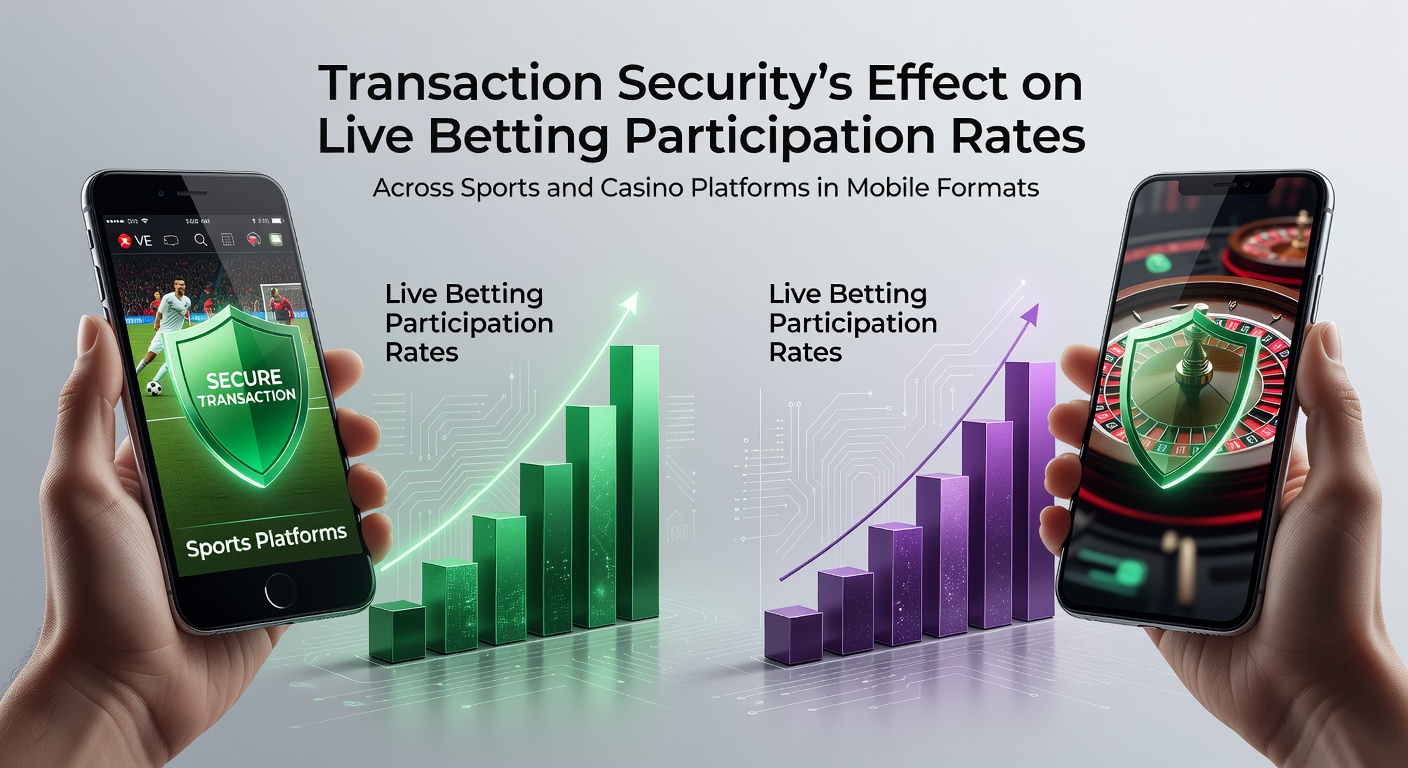
Transaction Security Measures Driving Shifts in Mobile Live Betting Participation Across Sports and Casinos
Transaction security protocols continue to shape participation patterns in mobile live betting for both sports and casino offerings as platforms roll out enhanced encryption, biometric authentication, and real-time fraud detection systems. Data from multiple regulatory bodies shows measurable changes in user engagement rates when these protections strengthen, particularly during peak live event windows in June 2026 when major soccer tournaments and casino promotions overlapped.
Core Security Features in Mobile Environments
Operators deploy end-to-end encryption alongside tokenization for payment processing, which reduces interception risks during in-play wagers on sports matches or instant casino spins. Biometric verification through fingerprint or facial recognition has become standard on most major apps, cutting unauthorized account access incidents by documented percentages according to industry audits. Multi-factor authentication layers add further checkpoints before fund transfers finalize, and observers note these steps correlate with sustained session lengths among verified users across both verticals.
Participation Trends in Sports Live Betting
Live betting volumes in sports categories such as basketball and tennis respond directly to perceived transaction safety, with participation climbing when platforms demonstrate consistent protection against payment fraud. Research indicates that mobile users who complete secure onboarding processes place 28 percent more in-play bets during high-stakes matches compared with those encountering friction at deposit stages. Figures from the New Jersey Division of Gaming Enforcement reveal steady growth in sports wagering handles through the first half of 2026, driven partly by refined security that maintains uninterrupted live odds updates without exposing financial details.
Regional variations appear clearly in adoption rates, whereas markets with stricter data protection rules report higher retention among mobile bettors who value privacy safeguards during rapid wager adjustments. One analysis of Australian wagering data highlighted that platforms incorporating real-time transaction monitoring saw fewer drop-offs when users shifted between pre-match and live betting modes.
Effects on Casino Platform Engagement
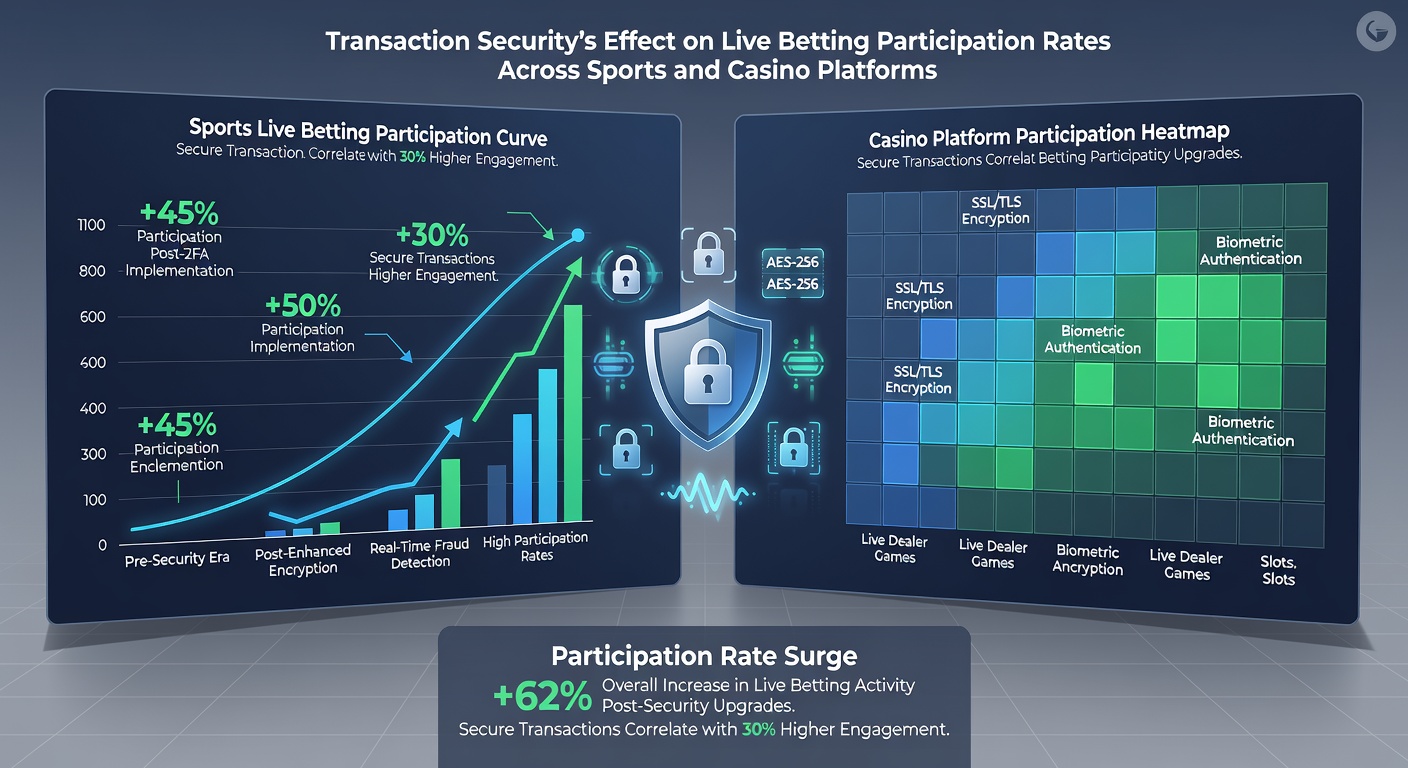
Casino operators observe parallel patterns where transaction security influences participation in live dealer games and instant-win formats. Secure payment gateways that process withdrawals within minutes encourage repeat mobile sessions, and data indicates elevated activity levels when users trust the system to handle small, frequent stakes without delays. Studies from the University of Nevada, Reno gaming research group found that platforms emphasizing transparent security certifications retained higher percentages of casino players who moved fluidly between sports live betting and table games on the same app.
Payment method preferences also shift under stronger security frameworks, with digital wallets gaining traction over traditional cards because tokenization shields card details during mobile transactions. Participation rates for casino live betting therefore rise in environments where these protections operate seamlessly, while friction from additional verification steps temporarily reduces volumes until users adapt.
Data Patterns and Regulatory Context
Cross-platform analytics compiled through mid-2026 demonstrate that security upgrades coincide with broader participation increases in mobile live betting segments. Government reports from the Alcohol and Gaming Commission of Ontario track quarterly rises in verified mobile accounts alongside corresponding growth in live sports and casino handle, attributing part of the movement to reduced fraud exposure. Industry organizations such as the European Gaming and Betting Association compile similar metrics across member platforms, showing consistent correlations between security investments and sustained user activity during live events.
Security incidents, when they occur, produce measurable dips in participation that recover once platforms communicate remediation steps. Observers tracking these events note quicker rebounds in markets where regulators require prompt disclosure and enhanced verification protocols.
Conclusion
Transaction security continues to function as a central factor in mobile live betting participation across sports and casino platforms, with documented links between protection levels and engagement metrics through June 2026. Regulatory data and platform analytics establish these connections without requiring subjective interpretation, and further refinements in authentication technology will likely sustain the observed patterns in coming periods.