State Regulations Transform Deposit Systems and Self-Limiting Options in Portable Sports Betting Platforms
Cameron Krause · Aug 11, 2026

State Regulations Transform Deposit Systems and Self-Limiting Options in Portable Sports Betting Platforms
State legislatures across the country have introduced targeted adjustments to deposit mechanisms and self-limit capabilities within mobile sports betting applications throughout 2026, and these modifications continue to influence transaction patterns as well as player controls in measurable ways. Data compiled by multiple regulatory bodies shows that states such as Pennsylvania, Michigan, and Colorado enacted revised deposit caps along with enhanced verification steps during the first half of the year, whereas other jurisdictions focused on integrating real-time limit-setting interfaces directly into app architectures. Observers note that these policy shifts emerged partly in response to rising transaction volumes reported in prior quarters, and platforms responded by updating backend systems to comply with new thresholds without disrupting user sessions.
Key Policy Adjustments Across Jurisdictions
Legislators in Pennsylvania raised daily deposit limits for verified accounts while simultaneously requiring apps to display self-exclusion prompts after predefined activity thresholds, and this dual approach took effect in early August 2026. Michigan followed with rules that mandate multi-factor authentication before any deposit exceeds a state-defined baseline, yet operators retained flexibility to offer tiered self-limit options based on individual account histories. Researchers tracking these implementations found that deposit volumes stabilized in states with the strictest verification layers, while self-limit tool usage increased by double-digit percentages in the months following rollout according to figures released by the American Gaming Association.
Effects on Deposit Patterns and Platform Compliance
Portable sports platforms adapted their payment gateways to accommodate staggered deposit approvals in several states, and this required integration of new API connections with state monitoring dashboards. Transaction data indicates that average deposit sizes decreased modestly in jurisdictions enforcing lower daily caps, whereas users in states allowing higher thresholds maintained steadier flow rates through the summer months. Experts tracking compliance observed that operators prioritized seamless limit-setting menus that appear during onboarding and after every fifth deposit, and these features align with regulatory expectations for proactive player tools. One study released by a university research center highlighted how such embedded controls correlate with reduced instances of rapid successive deposits across multiple apps.
Advancements in Self-Limit Tool Integration
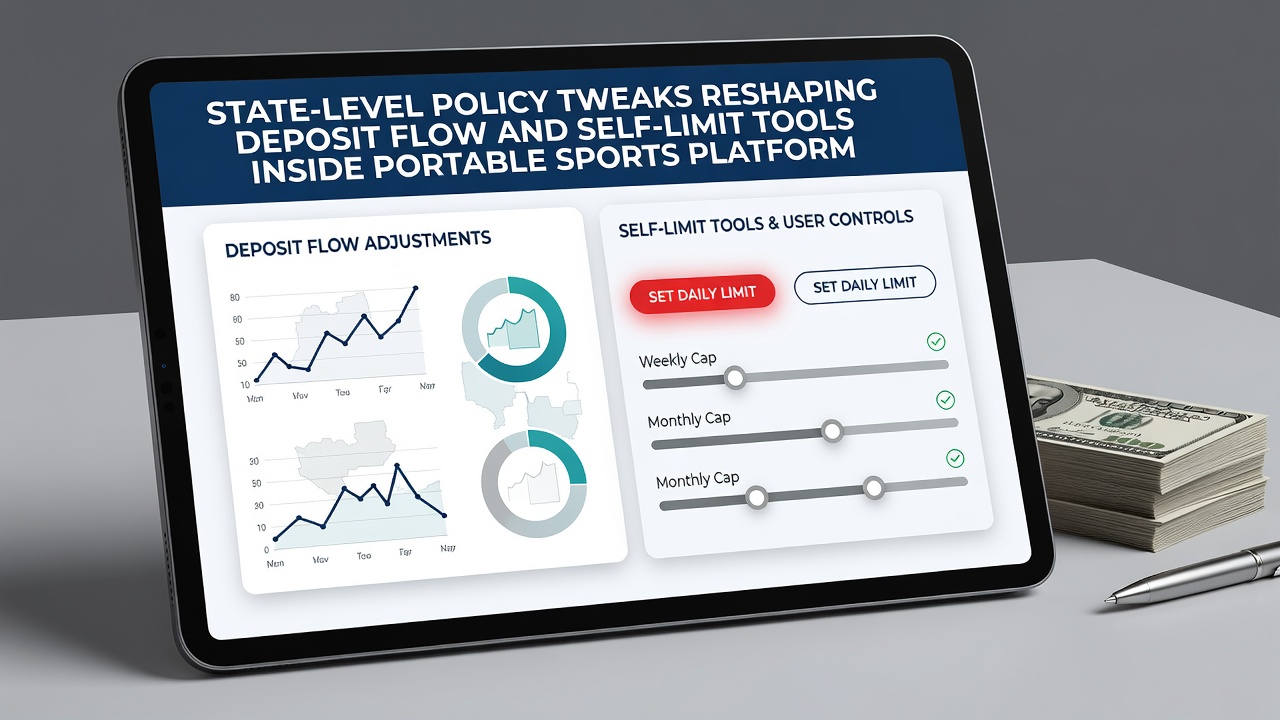
Self-limit functionalities now incorporate customizable time-based restrictions alongside monetary caps in many updated applications, and developers achieved this by embedding modular settings that sync across devices. In Colorado, new mandates require apps to offer deposit cooldown periods selectable from one hour up to thirty days, and platforms rolled out these options through over-the-air updates completed before the August deadline. Data from regulatory filings shows that adoption rates for these tools climbed steadily after implementation, with users frequently combining spending limits and session timers to manage activity across different sports markets. Platforms also introduced visual progress indicators that display remaining allowance toward a chosen cap, and this design element emerged directly from state guidance encouraging clearer user interfaces.
Regional Variations and Platform Responses
States continue to diverge in their specific requirements, with some emphasizing deposit source verification while others prioritize frequency-based alerts, and operators maintain separate compliance teams to address each set of rules. Evidence from industry reports suggests that apps serving multiple states now employ geofencing combined with dynamic rule engines to apply the correct deposit and limit parameters based on user location. Those monitoring the sector note that smaller operators faced steeper integration costs compared with larger platforms, yet most completed necessary updates ahead of enforcement dates. Academic analyses of similar regulatory frameworks in other countries, including reports from Australian gaming authorities, provide comparative context for how deposit flow and self-limit tools evolve under layered oversight.
Conclusion
State-level policy refinements continue to shape deposit mechanics and self-limit capabilities inside mobile sports platforms, and ongoing data collection will clarify longer-term behavioral impacts as more jurisdictions refine their approaches. Platforms that integrated flexible yet compliant features early have maintained user engagement levels while meeting regulatory standards, whereas further adjustments remain likely as transaction patterns and enforcement experiences accumulate through the remainder of 2026.