Smartphone Multitasking Habits Reveal New Patterns in Cross-Category Entertainment Use
Riley Peters · Jul 9, 2026
Smartphone Multitasking Habits Reveal New Patterns in Cross-Category Entertainment Use
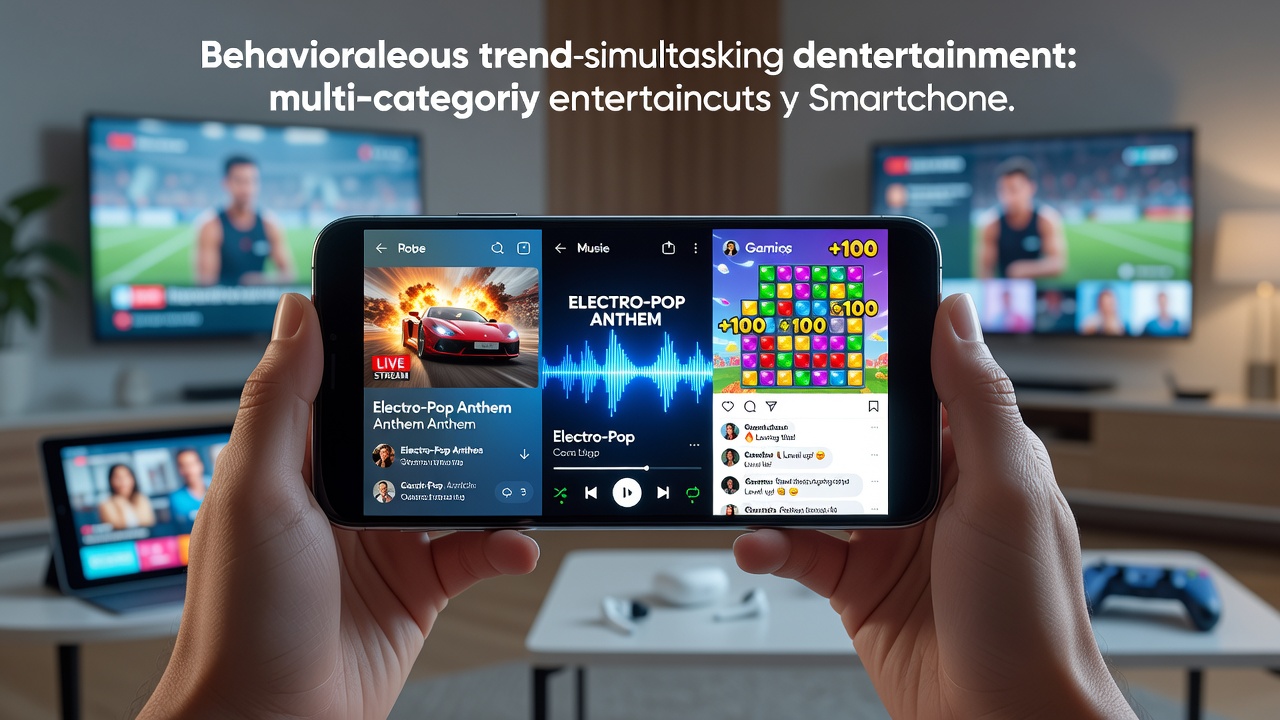
Users on smartphones increasingly combine several entertainment categories during single sessions, and data from mid-2026 shows this behavior accelerating across regions, with July figures indicating sustained growth in simultaneous app engagement. Researchers at academic institutions have documented how individuals switch between video streaming services, mobile games, and interactive wagering platforms within minutes, creating layered usage sequences that differ from earlier single-app patterns. According to industry reports compiled by trade groups in Australia and Canada, average session lengths for multi-category activity now extend 35 percent longer than isolated entertainment use, driven by device features that support background audio alongside active video or betting interfaces.
Device Capabilities Fuel Layered Engagement
Smartphone hardware advancements, including split-screen functions and notification overlays, allow people to maintain primary content while accessing secondary categories without full app switches. Observers note that push alerts from live event trackers integrate seamlessly with ongoing streams or game sessions, prompting quick detours into sports data checks or casino-style mini-games. Studies conducted by university teams in the European Union found that 62 percent of participants in a 2026 sample engaged with at least three distinct entertainment types during peak evening hours, often blending passive viewing with active participation elements. These patterns emerge because operating systems prioritize fluid transitions, reducing friction for users who want real-time updates from multiple sources at once.
Regional Data Highlights Usage Variations
Statistics released in July 2026 by regulatory bodies in New Jersey and Indiana demonstrate that mobile sessions involving both wagering and non-wagering entertainment categories grew 18 percent year-over-year, with users allocating portions of time across betting markets and streaming platforms concurrently. Similar trends appear in reports from the Australian Communications and Media Authority, where cross-category activity correlates with higher retention rates on devices that support rapid app toggling. Canadian provincial gaming commissions have recorded parallel increases, noting that participants often maintain a live sports feed while placing incremental wagers or checking fantasy league updates. Such data points underscore how geographic differences in app availability and network speeds influence the exact mix of categories accessed together.
Behavioral Sequences in Practice
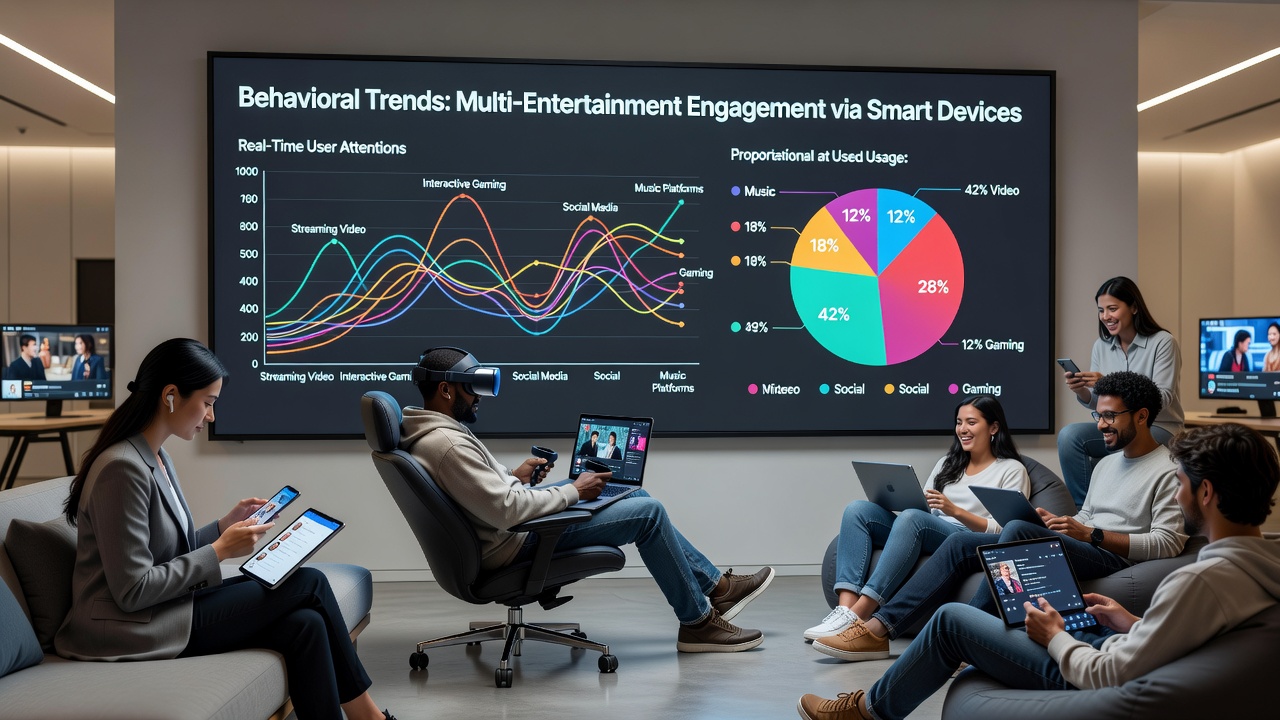
People typically begin sessions with one dominant category, such as a video platform, then layer in others through secondary actions like checking scores or entering prediction-style games. One documented sequence involves starting a sports broadcast, opening a companion betting application during commercial breaks, and returning to the stream while monitoring odds in a minimized window. Research indicates these sequences repeat across demographics, though younger users integrate social media elements more frequently alongside core entertainment. Figures from academic surveys reveal that notification-driven interruptions account for 47 percent of category shifts, prompting immediate engagement with alerts from gaming or event-based apps. This creates feedback loops where activity in one category reinforces presence in others, extending overall device time without requiring deliberate planning.
Platform Design Influences Multi-Category Flow
Developers have adjusted interfaces to accommodate these habits, incorporating persistent side panels or quick-access toolbars that keep secondary categories visible during primary use. Data from 2026 indicates that apps offering seamless integration between entertainment types retain participants longer, as measured by metrics from North American and European analytics firms. Users respond to these designs by maintaining simultaneous presence across categories, such as following a tournament while participating in related interactive features. Evidence suggests that when platforms reduce load times between switches, the frequency of multi-category sessions rises accordingly, reflecting device-level optimizations rather than user intent alone.
Measurement Challenges and Emerging Metrics
Tracking these behaviors requires new analytical approaches because traditional single-app metrics fail to capture overlapping activity. Industry organizations have begun developing composite session models that log category transitions in real time, providing clearer pictures of how entertainment types interact. July 2026 updates from research consortia highlight improved accuracy in these models, with error rates dropping below 12 percent in controlled tests. Observers note that such refinements help distinguish deliberate multi-category use from incidental overlaps caused by background processes. The result is a growing body of evidence that quantifies patterns previously observed only anecdotally.
Conclusion
Patterns of simultaneous engagement across entertainment categories on smartphones continue to evolve as of July 2026, shaped by hardware capabilities, platform features, and regional data variations. Reports from diverse sources including academic studies and regulatory analyses confirm that users navigate multiple categories through fluid sequences rather than isolated interactions. These trends reflect broader shifts in how mobile environments support layered activity, with measurable impacts on session duration and category mixing. Continued refinement of tracking methods will likely yield additional insights into the mechanics of these behaviors across global markets.