Session Analytics Across Formats Direct Bonus Timing and Limit Enforcement on Multiple Devices
Riley Peters · Aug 22, 2026

Session Analytics Across Formats Direct Bonus Timing and Limit Enforcement on Multiple Devices
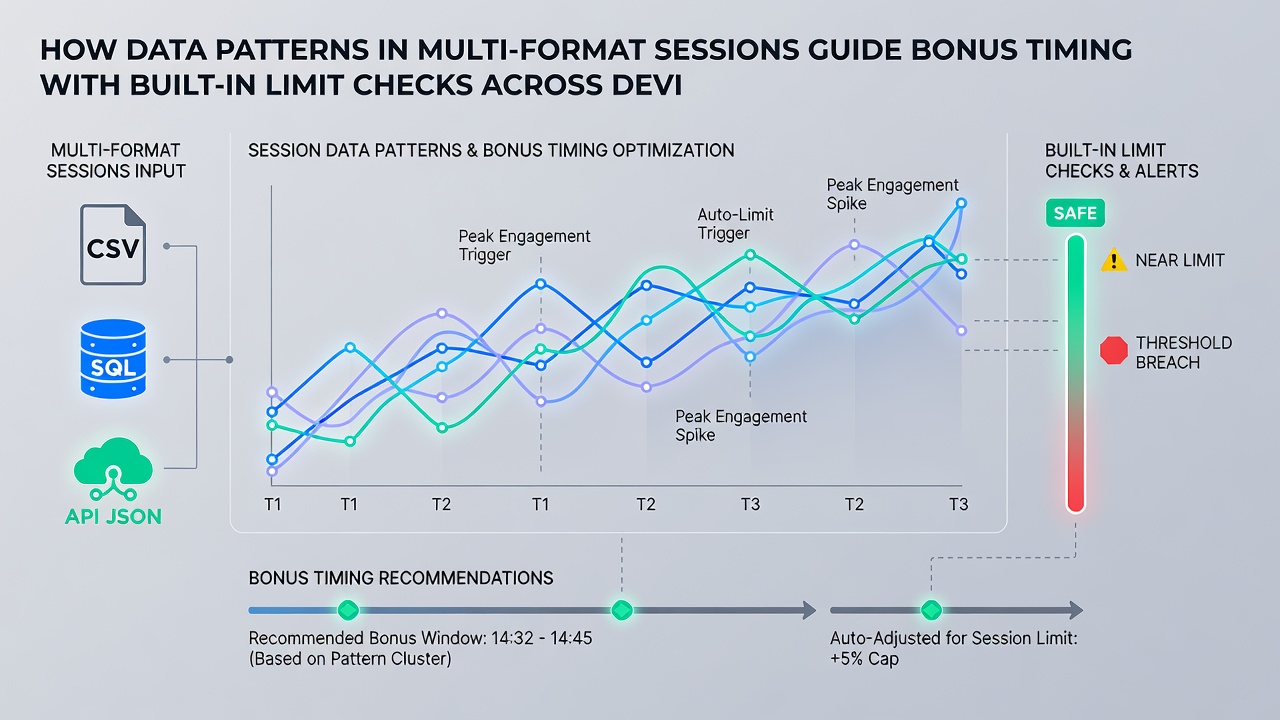
Multi-format gaming sessions involve players shifting between slots, table games, sports betting, and live casino options while moving across smartphones, tablets, and desktop computers, and data patterns from these activities now shape when promotional offers appear alongside automated checks for deposit, time, and loss limits. Operators collect timestamped logs of game type switches, device identifiers, bet sizes, and session durations, then apply algorithms that align bonus delivery with periods of sustained engagement while halting offers if preset thresholds approach.
Core Data Elements Tracked in Cross-Format Play
Systems record the sequence of game categories accessed during a single login period, noting transitions from high-volatility slots to lower-risk sports wagers, along with the specific device used for each segment. Timestamp granularity reaches the second level, allowing platforms to detect rapid device switches that occur within minutes and flag them for limit verification routines. Frequency counts of bonus claims per format combine with average bet velocity to build player profiles that trigger timing rules rather than fixed calendar schedules.
Device fingerprinting pairs with IP geolocation to maintain continuity when a player starts a session on a mobile app and continues on a desktop browser later the same evening. These identifiers feed into unified ledgers that prevent duplicate limit allowances across hardware. In August 2026, aggregated figures from several North American operators showed that sessions spanning three or more formats averaged 47 percent longer than single-format activity, prompting earlier activation of time-based limit alerts.
Algorithmic Timing for Bonus Presentation
Decision engines evaluate recent win-loss sequences and format-specific engagement metrics before surfacing a bonus. A player who has completed twenty consecutive spins on a slot title with steady bet sizing may receive a reload offer at the moment the next format transition begins, provided the account remains below 70 percent of its daily loss limit. The same engine withholds the offer if the player has already activated two separate bonuses within the prior four hours across any device.
Real-time scoring incorporates velocity of play, measured as total wagered amount divided by minutes active, and compares it against historical norms for that account. When velocity rises above the 85th percentile while remaining under limit caps, the system advances the bonus window forward by several minutes to capitalize on momentum. Observers note that such adjustments occur without human intervention once the initial parameters receive regulatory approval.
Built-In Limit Checks Across Hardware
Limit enforcement operates through a central rules engine that references a single player ledger updated every few seconds regardless of device. Deposit caps, loss ceilings, and session timeouts apply uniformly, so a mobile-initiated deposit that consumes 60 percent of the daily limit automatically reduces the remaining allowance visible on desktop. Self-exclusion flags and cool-down periods propagate instantly across all logged-in sessions.
Canadian provincial regulators, including those in Ontario, require operators to demonstrate that limit checks function identically whether the player accesses the platform via native app or web browser. Alcohol and Gaming Commission of Ontario compliance documentation outlines mandatory audit trails that record every limit query and resulting action. Similar requirements appear in Australian state frameworks administered by state-based authorities.
Integration with Responsible Gaming Protocols
Pattern recognition extends to early indicators of extended play, such as consecutive format switches without breaks longer than five minutes. When these patterns align with rising bet sizes, the platform inserts a mandatory review screen before any new bonus can activate. The screen displays current limit status and offers an immediate option to adjust thresholds downward.
Research from the University of Nevada, Reno gaming studies group indicates that unified cross-device ledgers reduce instances of players exceeding self-set limits by approximately 22 percent compared with siloed device tracking. The same studies track how bonus timing that respects these limits correlates with longer-term account retention rather than short-term spikes in activity.
Future Refinements in Multi-Platform Environments
Developers continue to refine machine-learning models that predict optimal bonus moments by analyzing anonymized cohorts of players with similar format-transition histories. These models incorporate weather or event data for sports betting segments and volatility indices for casino games, then adjust timing windows dynamically while always consulting the active limit status first.
European operators reporting to the Malta Gaming Authority have begun publishing quarterly summaries that separate bonus redemption rates by device sequence, revealing that sessions beginning on mobile and finishing on desktop show the highest compliance with pre-set limits when timing algorithms govern offer delivery. Such transparency supports ongoing regulatory review without exposing individual player data.
Conclusion
Data patterns derived from multi-format, multi-device sessions supply the inputs that determine both when bonuses appear and when limit safeguards activate. Centralized ledgers ensure consistent enforcement, while algorithmic timing aligns promotional moments with observed engagement metrics. Regulatory frameworks in multiple jurisdictions continue to shape the technical standards that keep these systems aligned with player protection requirements.