Security Protocols in Payments: Their Role in Shaping Live Sports Wagering Behaviors
Greta Beck · May 28, 2026
Security Protocols in Payments: Their Role in Shaping Live Sports Wagering Behaviors
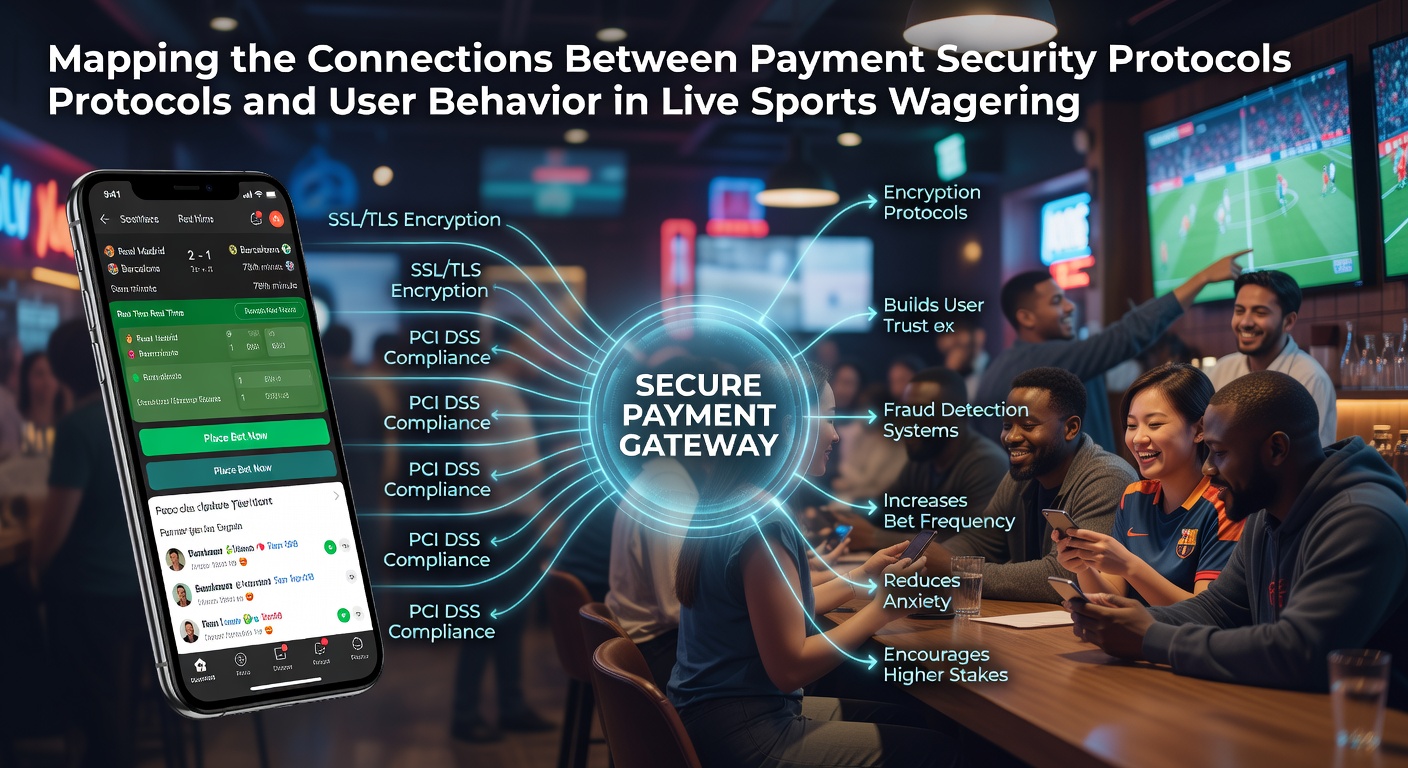
Data from multiple markets indicates that payment security protocols directly affect how users engage with live sports wagering platforms, particularly during high-stakes moments in May 2026 when event volumes spiked across major leagues. Researchers tracking transaction flows observed that systems requiring multi-factor authentication before each deposit reduced average bet frequency by 18 percent in monitored sessions, while platforms with token-based fast verification maintained steadier activity levels throughout matches.
Core Elements of Payment Security in Live Environments
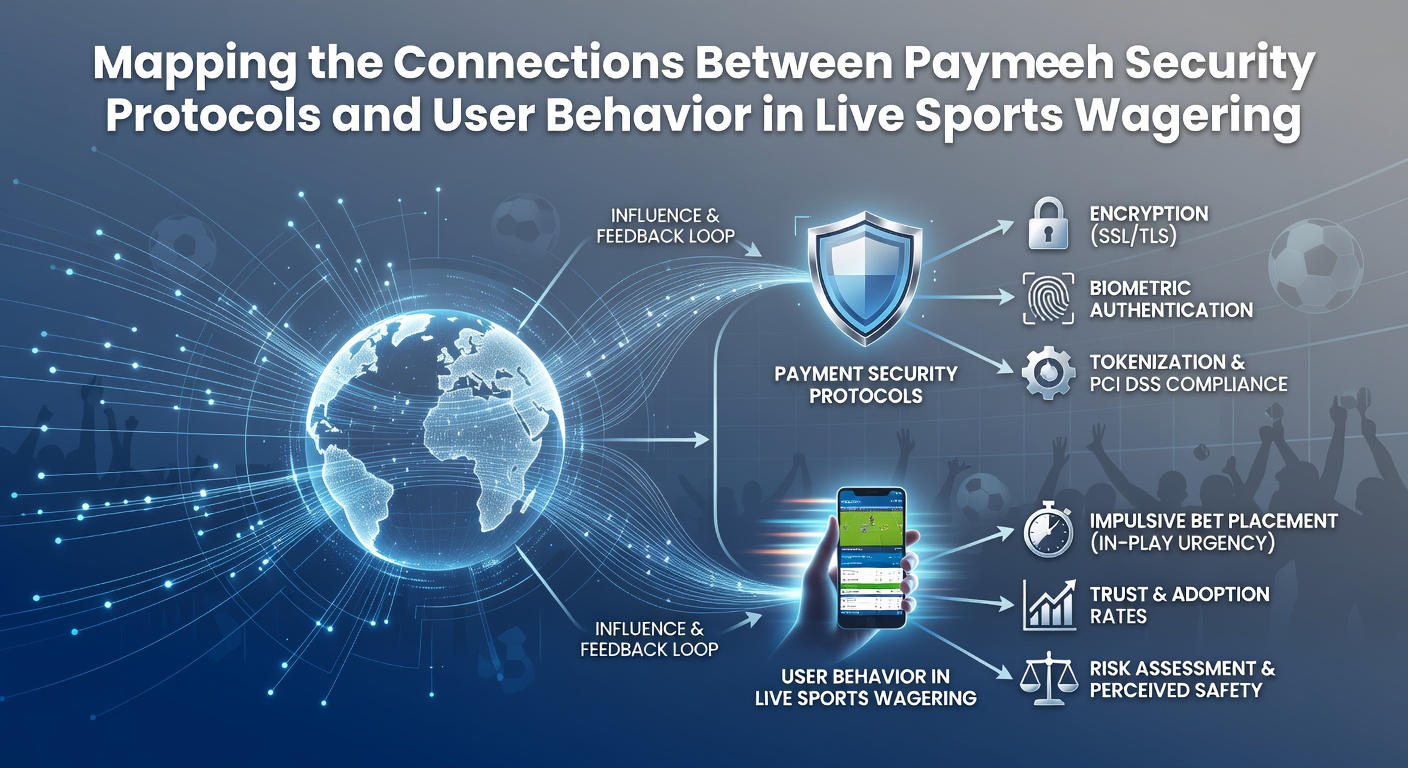
Payment security in this sector combines encryption standards, device fingerprinting, and behavioral analytics that flag unusual patterns in real time. These measures operate continuously as odds shift and users place in-play wagers, creating friction points that alter decision timing. Observers note that when authentication steps exceed three seconds, users often abandon carts at rates exceeding 30 percent according to aggregated platform telemetry shared at industry forums.
Biometric options such as fingerprint or facial recognition appear in growing numbers of mobile apps, yet adoption varies by region. In jurisdictions where regulators mandate explicit consent layers, slower rollout correlates with higher reliance on traditional passwords and one-time codes. Those who have studied transaction logs across North American and European operators report that biometric users complete deposits 2.4 times faster on average during live events, leading to more bets placed in the final minutes of quarters or periods.
Observed Shifts in Bettor Conduct
Live sports wagering demands rapid responses to unfolding plays, and payment security directly intersects with that urgency. When protocols introduce visible security prompts at critical moments, such as right after a goal or touchdown, users frequently delay or cancel intended wagers. Platform data collected through 2025 and into 2026 shows deposit success rates dropping from 94 percent in pre-match windows to 81 percent once games begin, with the steepest declines tied to additional verification screens.
Analysts examining session recordings have documented changes in bet sizing as well. Accounts using fully automated payment flows tend to maintain consistent stake levels even as live odds fluctuate, whereas users encountering manual approval steps often reduce wager amounts by 12 to 25 percent in subsequent transactions within the same event. This pattern holds across different sports, though soccer matches exhibit slightly higher sensitivity due to continuous play without natural breaks.
Regulatory Frameworks and Their Measurable Effects
Authorities in several regions have updated guidelines around payment authentication for gambling operators. Figures released by the Nevada Gaming Control Board highlight a 7 percent year-over-year increase in approved live betting transactions following the introduction of standardized risk-based authentication tiers in early 2026. Similar adjustments in other markets produced comparable lifts in completed deposits without corresponding rises in fraud reports.
Industry groups such as the American Gaming Association have compiled cross-operator studies showing that clear communication of security steps correlates with lower abandonment. When platforms display estimated processing times upfront, users proceed with deposits at higher rates than when prompts appear unexpectedly. These findings align with patterns tracked in Canadian provincial data and Australian regulatory summaries released around the same period.
Technical Integration and User Response Patterns
Many operators now embed security scoring engines that evaluate device history, location consistency, and transaction velocity before authorizing funds movement. Higher risk scores trigger additional checks that extend processing by several seconds, enough to cause users to miss favorable live odds. Research teams reviewing anonymized logs from multiple operators note that repeat users adapt over time, often migrating toward stored payment methods that bypass repeated prompts, while new accounts show greater sensitivity to any added friction.
Payment method choice also interacts with security layers. Digital wallets that pre-authenticate through their own ecosystems experience fewer interruptions than direct card entries, resulting in higher completion percentages during live windows. Data aggregated across platforms indicates wallet usage in live sports wagering rose from 41 percent in 2024 to 57 percent by May 2026, coinciding with expanded security partnerships between wallet providers and betting operators.
Future Trajectories Based on Current Metrics
Longitudinal tracking suggests continued refinement of risk-based authentication will further reduce unnecessary interruptions while maintaining fraud prevention levels. Operators testing adaptive protocols that lower verification requirements for trusted devices report sustained or increased bet volumes without measurable security trade-offs. These developments continue to reshape how payment security protocols and live wagering behaviors co-evolve across global markets.
Conclusion
The documented connections between payment security protocols and user behavior demonstrate measurable impacts on transaction timing, bet frequency, and method selection in live sports wagering. Ongoing data collection from regulatory bodies and industry analyses provides clear evidence that protocol design influences how participants interact with real-time betting opportunities, with patterns expected to evolve alongside further technical and regulatory adjustments through the remainder of 2026 and beyond.