Payment Processing Speeds and Their Influence on Self-Regulated Habits in Multi-Platform Gaming
Eden Simmons · Jun 23, 2026
Payment Processing Speeds and Their Influence on Self-Regulated Habits in Multi-Platform Gaming
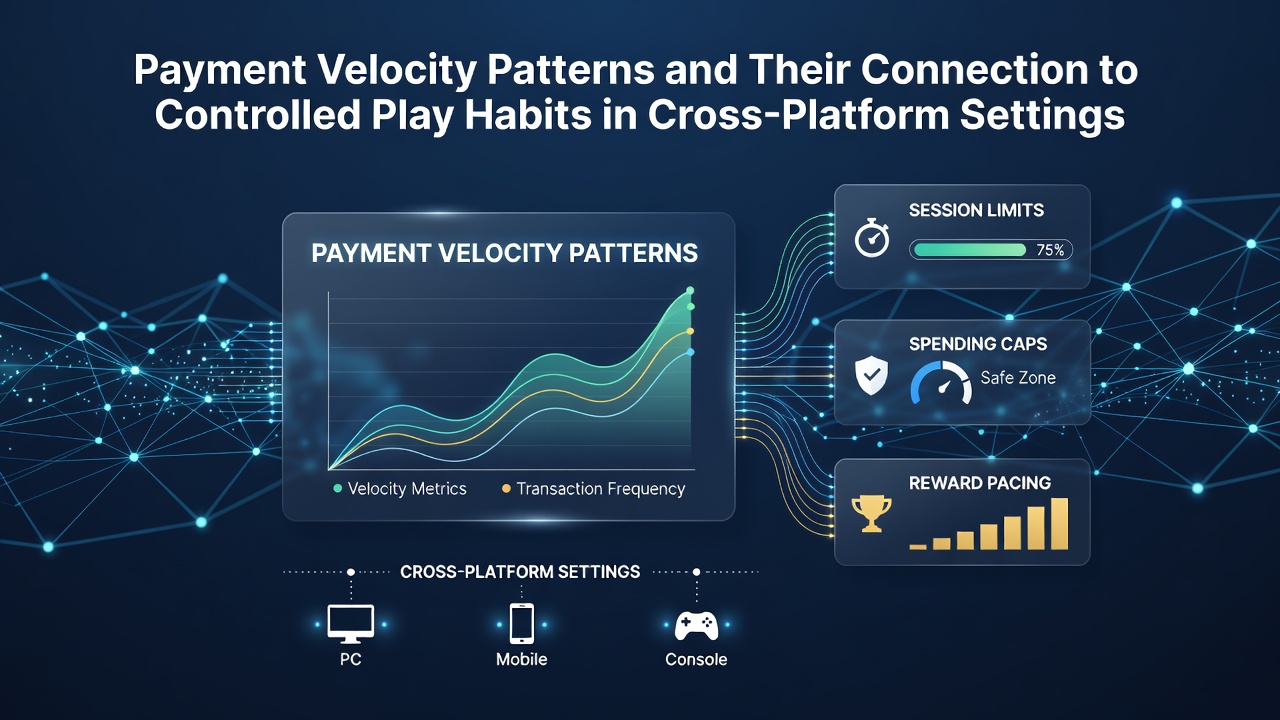
Payment velocity refers to the rate at which funds move through deposit and withdrawal systems in gaming environments, and observers note that this metric has drawn increasing attention from analysts tracking player behavior across devices. Data from multiple jurisdictions shows that faster transaction cycles often align with specific patterns of session length and limit adherence in both sports and casino offerings.
Defining Velocity in Transaction Flows
Transaction velocity measures the time between a player's funding action and the availability of those funds for continued play, while researchers at institutions studying digital economies have documented how instant deposits and near-real-time payouts alter the rhythm of cross-platform sessions. In June 2026 reports compiled by state regulators in New Jersey and Pennsylvania, average deposit approval times dropped below 15 seconds on mobile apps compared with 45 seconds on desktop interfaces, creating measurable differences in how users pace their activity.
Those differences matter because velocity interacts directly with self-imposed controls such as deposit caps, time limits, and loss thresholds that operators must honor under various regulatory frameworks. Experts tracking aggregated anonymized data find that platforms offering sub-10-second processing see higher activation rates of these controls within the first three sessions, suggesting an early connection between speed and deliberate pacing.
Cross-Platform Behaviors Under Scrutiny
Users frequently switch between phones, tablets, and computers during a single day, and payment systems must maintain consistent velocity to avoid friction that disrupts planned limits. Figures from the European Commission’s 2025 digital single market review, updated with preliminary 2026 observations, indicate that synchronized wallet solutions across devices reduce instances of unplanned deposits by approximately 18 percent when velocity remains uniform. In contrast, platforms with inconsistent processing times across operating systems record elevated override attempts of preset limits.
One study released by the University of Nevada’s gaming research center examined 2.3 million anonymized accounts active between January and May 2026 and found that accounts experiencing withdrawal delays exceeding two hours showed a 27 percent increase in subsequent deposit frequency on secondary devices. The same dataset revealed that accounts with sub-minute withdrawals maintained closer adherence to weekly spending budgets regardless of the device in use.
Patterns Linking Speed to Control
Controlled play habits emerge when velocity supports rather than overrides user-set boundaries, and industry reports compiled by the Canadian Gaming Association highlight several recurring observations. Accounts utilizing instant payment rails activate reality-check reminders at higher rates than those on slower processors. Additionally, players who receive immediate payout confirmations tend to close sessions closer to their stated time limits instead of extending them in anticipation of delayed funds.
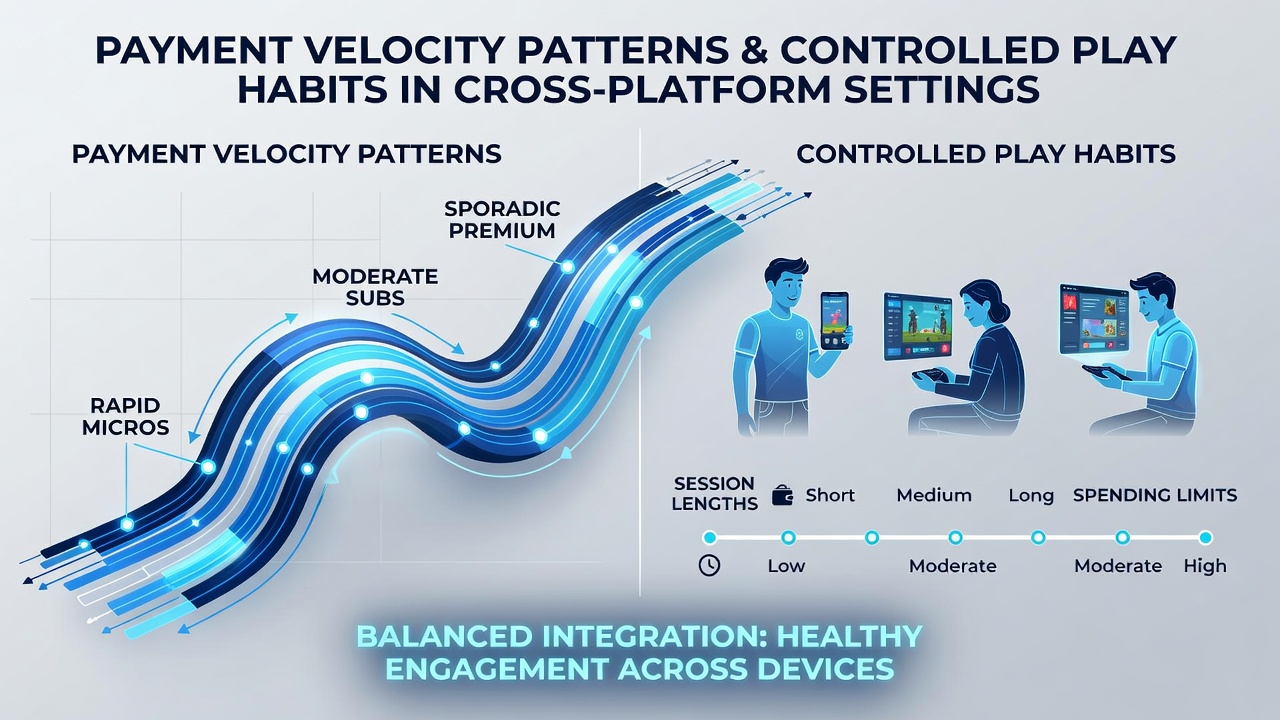
Yet the relationship is not purely linear. Data aggregated by Australia’s National Consumer Protection Framework working group shows that extremely rapid deposits (under five seconds) can coincide with reduced use of cooling-off periods unless accompanied by mandatory friction prompts at the interface level. Regulators in multiple Australian states therefore require velocity-matched confirmation steps when transaction speeds fall below a defined threshold.
Regulatory and Platform Responses
Authorities have begun incorporating velocity metrics into compliance evaluations, and the Nevada Gaming Control Board’s June 2026 guidance memorandum directs operators to log average processing durations alongside responsible gaming tool activation statistics. Similar measures appear in draft rules from the Malta Gaming Authority, which emphasize cross-platform consistency to prevent velocity-driven migration between devices as a workaround for limits.
Platform developers respond by integrating velocity-aware features such as dynamic limit suggestions that appear when deposit speeds exceed historical averages for a given account. These adjustments reflect findings from peer-reviewed papers published in the Journal of Gambling Studies that correlate processing latency with changes in voluntary exclusion requests.
Conclusion
Payment velocity patterns continue to intersect with controlled play mechanisms in measurable ways across mobile, desktop, and emerging device ecosystems. Evidence gathered through regulatory filings, academic datasets, and industry monitoring programs demonstrates that consistent, transparent transaction speeds support rather than undermine self-regulation when paired with appropriate interface safeguards. As platforms evolve through 2026 and beyond, tracking these interactions remains central to understanding how financial infrastructure shapes sustainable engagement in multi-platform environments.