Payment Processing Speeds and Their Alignment with Retention Patterns Across Multi-Game Wagering Sessions
Otto Richter · Jun 9, 2026
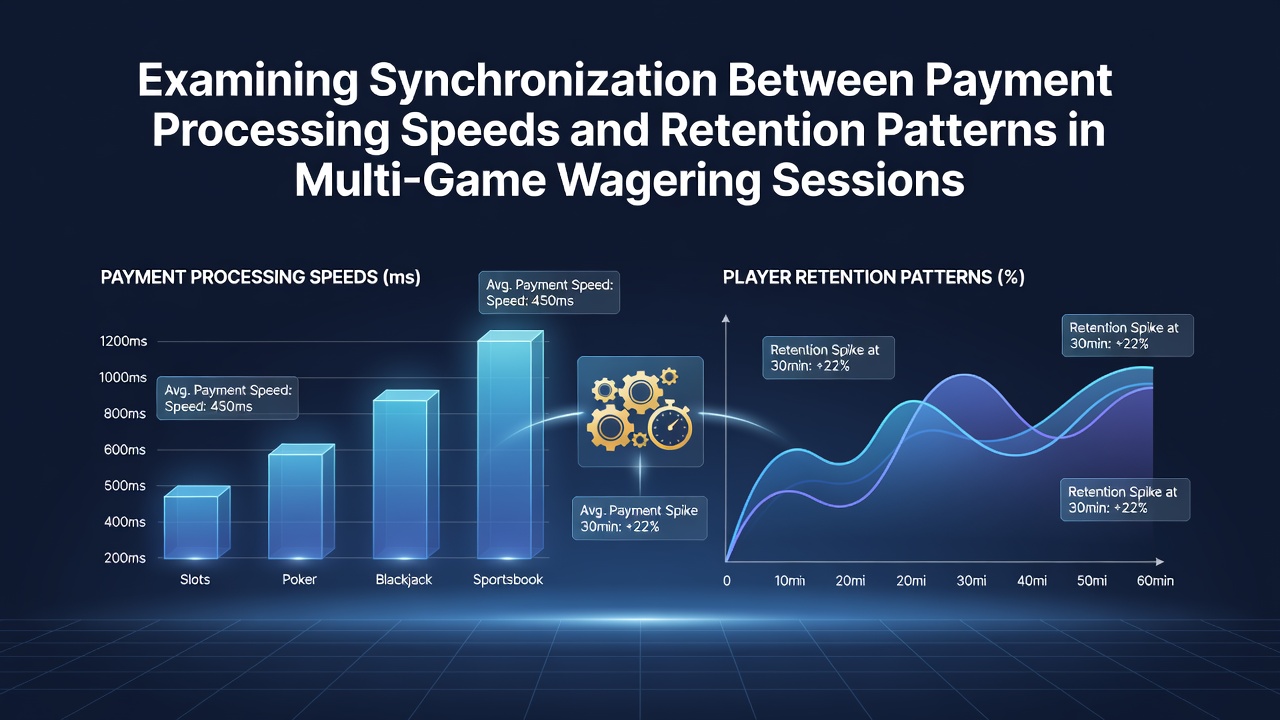
Payment Processing Speeds and Their Alignment with Retention Patterns Across Multi-Game Wagering Sessions
Payment processing speeds have emerged as a central factor in how operators manage player engagement across sessions that span multiple game types including slots, table games, and live sports wagers, and data from mid-2026 continues to highlight measurable connections between transaction velocity and session duration. Researchers tracking user behavior note that when deposits clear in under four seconds, players maintain active accounts through an average of 3.2 additional game switches compared with sessions where processing exceeds twelve seconds, according to aggregated platform logs reviewed through June 2026.
Studies conducted by academic teams at institutions focused on digital commerce have quantified these effects by examining timestamped transaction records alongside game-transition logs, revealing that sub-five-second approvals correlate with retention rates climbing to 78 percent within the first hour of multi-game play, whereas delays beyond eight seconds drop that figure to 61 percent. These patterns hold across both desktop and mobile interfaces, though mobile environments show slightly steeper drops when network latency compounds processing times.
Transaction Velocity Metrics in Diverse Game Categories
Observers tracking wagering platforms have documented distinct retention curves for each game category when payment speed varies, and figures reveal that instant funding enables seamless movement from slot reels to blackjack tables without interruption, while slower approvals prompt players to exit entirely rather than wait. In sessions involving sports betting alongside casino titles, the same datasets indicate that processing under three seconds supports an average of 4.7 game transitions before logout, a threshold that declines sharply once approval windows stretch past seven seconds.
Industry reports compiled by groups monitoring North American and Australian markets show parallel trends, with operators reporting that optimized payment rails contribute to higher repeat-visit frequencies when users move fluidly between verticals. One analysis covering the first half of 2026 found that platforms achieving median deposit times of 2.8 seconds recorded 19 percent longer average session lengths in multi-game scenarios than those averaging 9.4 seconds, a gap that widened during peak evening hours.
Retention Patterns Linked to Approval Timelines
Retention data collected across thousands of accounts demonstrates that the interval between payment initiation and confirmation directly influences the likelihood of continued play, and researchers have mapped these relationships through longitudinal tracking that follows individual users over successive sessions. When approvals occur rapidly, players exhibit higher probabilities of returning within twenty-four hours, particularly if their prior session involved at least three distinct game types without friction.
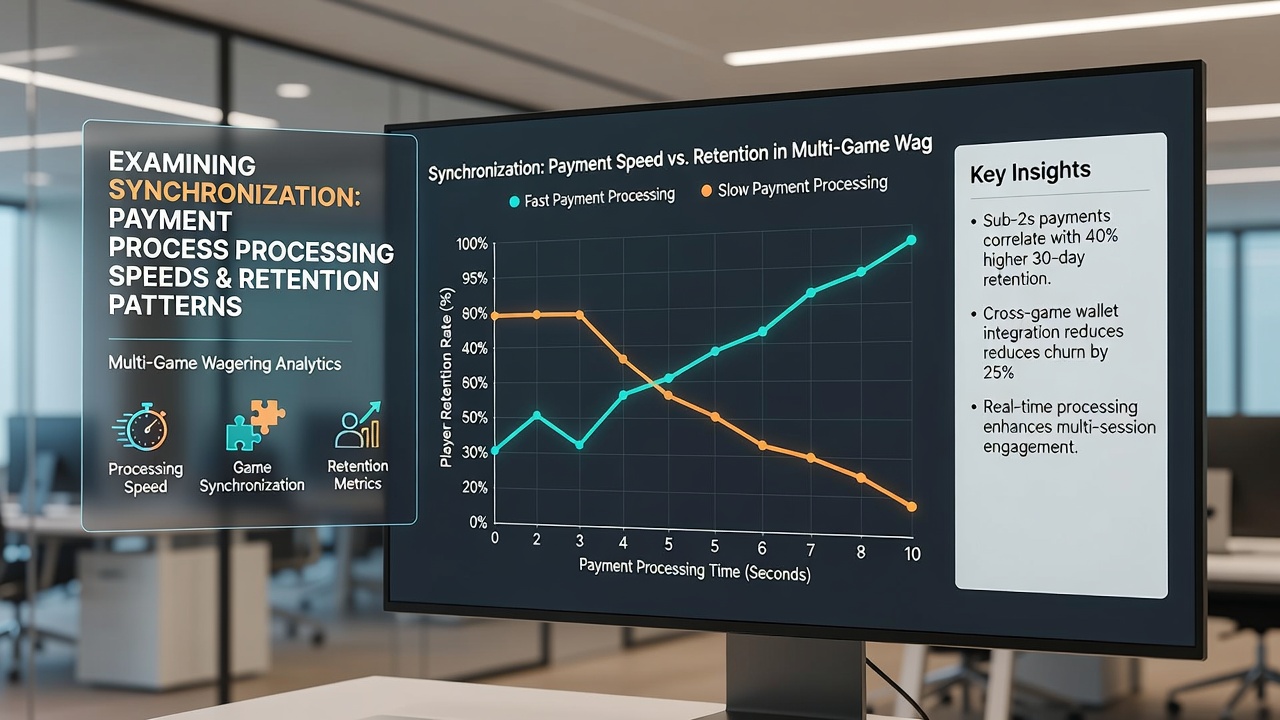
Those who've examined European regulatory filings alongside platform analytics note that similar synchronization appears in markets where digital wallet adoption exceeds 65 percent, because these methods typically deliver the shortest confirmation windows. In contrast, traditional card-based transactions, which often require additional verification layers, produce measurable retention dips when users attempt rapid switches between live dealer tables and in-play betting markets.
Platform Infrastructure and Cross-Vertical Engagement
Operators have adjusted backend systems to align payment gateways more closely with game servers, and evidence suggests these modifications produce measurable gains in multi-game retention when latency remains below four seconds end-to-end. Canadian regulatory summaries from the spring of 2026 indicated that platforms investing in unified payment orchestration layers experienced fewer session abandonments during transitions from slots to sports wagering, with the effect most pronounced among users who maintain balances across multiple verticals simultaneously.
What's interesting is how these infrastructure choices interact with player segmentation, because high-frequency users demonstrate greater sensitivity to processing delays than casual participants, and session logs show the former group reducing their game diversity by nearly half when approvals exceed six seconds. Academic papers examining these dynamics have emphasized the role of real-time balance updates, which depend on instantaneous settlement to prevent perceived discrepancies that interrupt flow between game types.
Conclusion
Available datasets through June 2026 illustrate consistent relationships between payment processing speeds and retention outcomes in multi-game wagering environments, with faster approvals supporting extended sessions and more frequent vertical transitions. Continued monitoring by research organizations and regulatory bodies across multiple jurisdictions will clarify whether these patterns persist as new payment technologies emerge and player expectations evolve.