Mobile App Convergence Reshapes How Users Blend Casino Play and Live Sports Betting
Cameron Krause · Jul 18, 2026
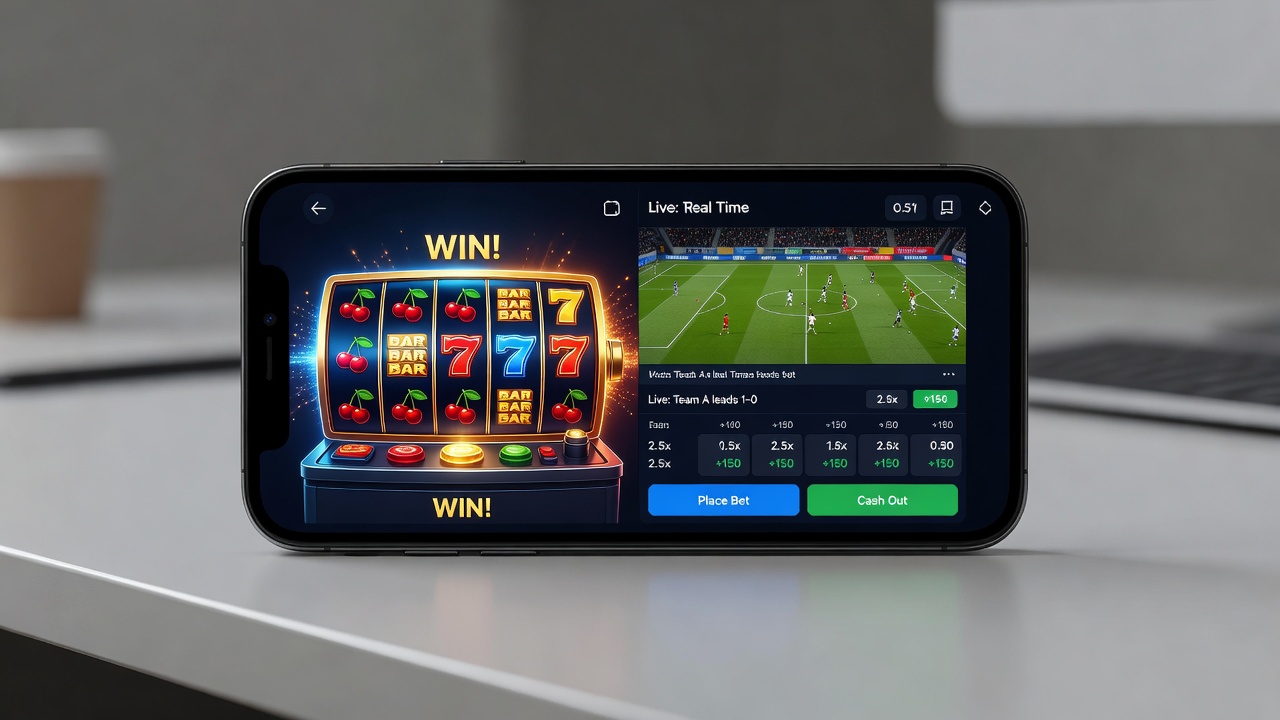
Mobile App Convergence Reshapes How Users Blend Casino Play and Live Sports Betting
Integrated mobile platforms now let users move between casino sessions and live sports wagers without switching applications, and this setup has produced measurable changes in session patterns, timing choices, and activity sequencing. Data collected through mid-2026 shows users often extend overall engagement periods when both categories sit inside the same interface, yet they also fragment individual bets into shorter bursts that align with game rounds or match events.
Session Structure Adjustments Observed in 2026
Platform telemetry from major operators indicates that combined sessions in July 2026 averaged 47 minutes longer than single-category sessions recorded in the same period one year earlier, while the number of distinct switches between casino titles and sports markets rose by 31 percent. Users frequently open a slot or table game during halftime or between innings, then return to live odds once play resumes, creating interleaved sequences rather than linear blocks of activity. This interleaving appears most pronounced during evening hours when multiple sports events overlap with peak casino traffic.
Timing and Multitasking Patterns
Analytics providers tracking user flows report that live sports wagers placed inside casino-active sessions tend to cluster around moments of high in-game volatility, such as penalty kicks or timeout periods, whereas standalone sports betting sessions distribute wagers more evenly across match duration. Casino spins or hands executed during live events show reduced average stake sizes compared with dedicated casino periods, suggesting users allocate smaller increments when attention splits across two categories. Observers note that push notifications for both game types arrive through the same channel, which correlates with higher rates of immediate response and shorter decision windows between actions.
Device and Interface Influences on Behavior
Screen real estate constraints on smartphones encourage users to keep one category visible while monitoring the other through compact scoreboards or mini-game windows. Heatmap studies of tap patterns reveal that navigation between sections occurs most often via persistent bottom tabs rather than full menu dives, reducing friction and supporting rapid toggling. In July 2026, operators that introduced persistent dual-view modes recorded a 22 percent increase in cross-category transitions within the first week of rollout, according to internal metrics shared with industry analysts.
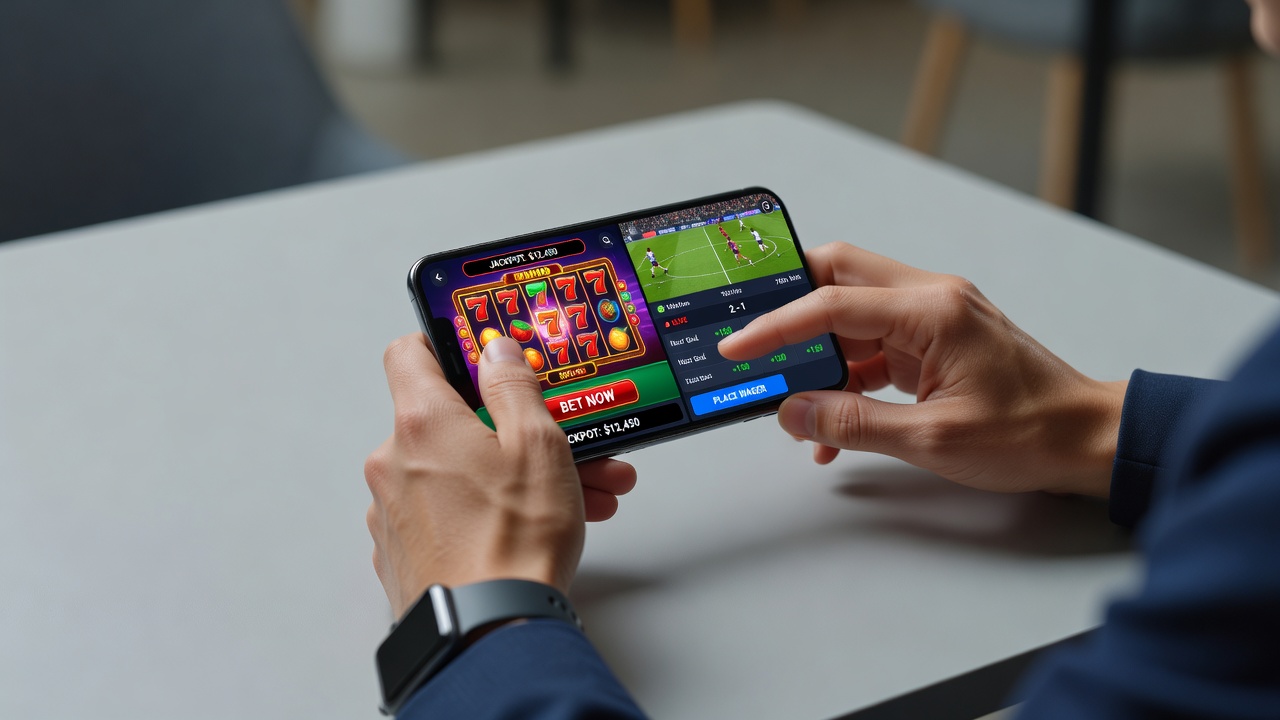
Bankroll and Frequency Shifts
Transaction logs indicate that users who combine categories within single sessions deposit at intervals that differ from those maintaining separate sessions; combined users show more frequent but smaller top-ups spread across the session length. Frequency of micro-bets rises when sports odds sit alongside quick-play casino options, while the proportion of users setting session timers or loss limits inside the app climbs steadily through 2026. Researchers tracking voluntary limit usage across North American and Australian markets find that combined-session participants activate these tools at rates 18 percent higher than single-category users, though activation timing tends to occur later in the overall session.
Regional Data Points and Platform Variations
Reports compiled by the American Gaming Association highlight that states with mature mobile markets saw combined-category participation grow from 34 percent of active accounts in January 2026 to 49 percent by July. In contrast, newer markets recorded slower uptake but steeper week-over-week growth once integration features stabilized. European operators using unified wallets documented similar patterns, with users in regulated jurisdictions displaying steadier cross-category movement during major tournament windows. Academic analyses from institutions studying digital gambling interfaces note that color-coded sections and unified balance displays reduce perceived separation between categories, which in turn correlates with the observed interleaving behavior.
One longitudinal study of 12,000 accounts across three operators found that users who began combining categories maintained higher weekly active days than those who kept activities segregated, yet the total number of distinct titles or markets engaged per week remained stable. This suggests the extension occurs through repeated short visits rather than deeper exploration of new options. Platform design choices such as unified loyalty points and shared progress bars further reinforce continuity across the two verticals.
Conclusion
Integration of casino and live sports features inside single mobile applications continues to alter the rhythm and distribution of user activity as of July 2026. Session lengths stretch, transitions multiply, and stake patterns adjust according to concurrent event structures, while voluntary control tools see increased activation within combined contexts. These measurable shifts emerge directly from interface proximity and shared account mechanics rather than isolated preference changes, and ongoing platform refinements will likely sustain the trend toward interleaved engagement across both categories.