Biometric Verification Advances Drive New Accountability in Portable Gaming Devices
Riley Peters · May 23, 2026
Biometric Verification Advances Drive New Accountability in Portable Gaming Devices
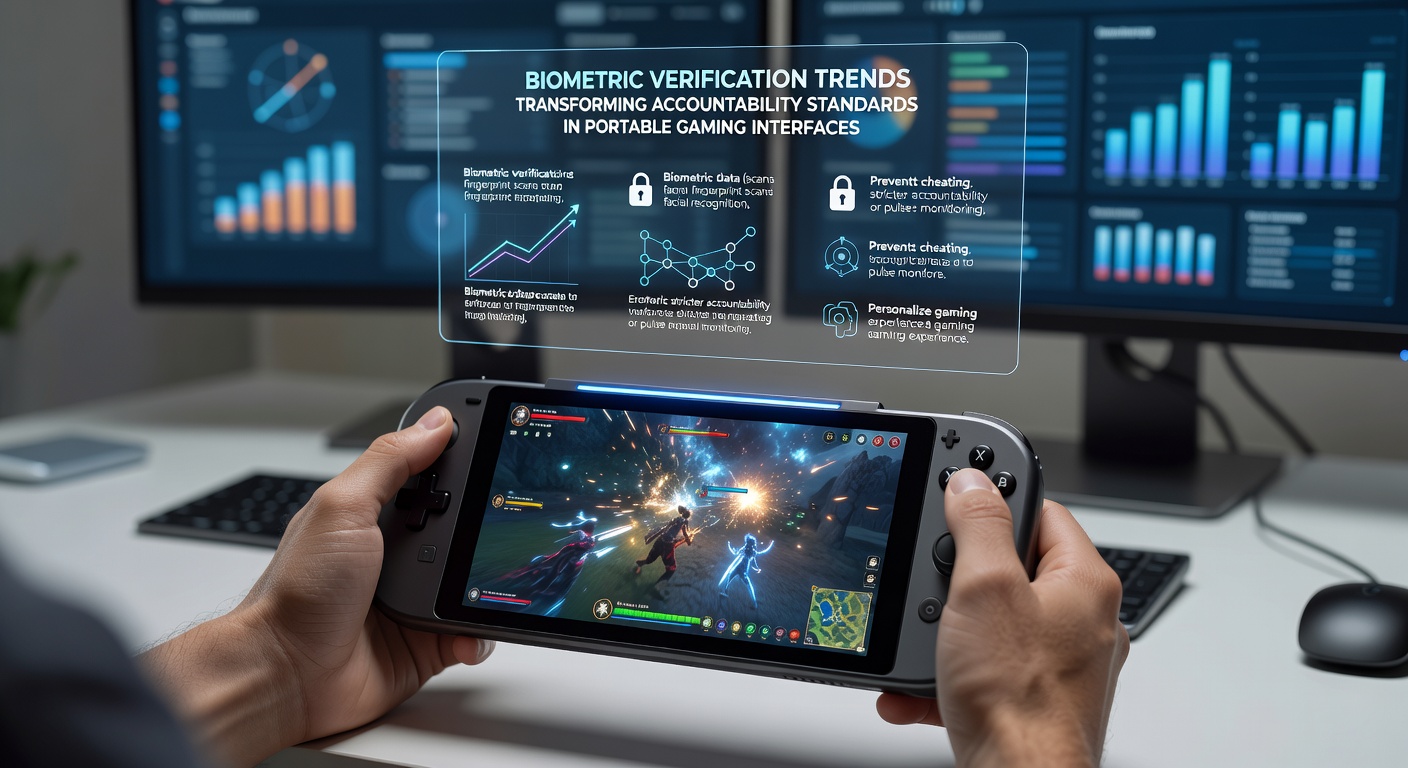
Portable gaming interfaces have incorporated biometric verification systems at an accelerating pace since 2024, with fingerprint sensors and facial recognition modules now standard in many handheld consoles and mobile platforms, and data from industry surveys shows adoption rates climbing past 65 percent among major manufacturers by early 2026. These technologies verify user identity during login, in-game purchases, and multiplayer sessions, which reduces unauthorized access and supports compliance with age-restriction rules across different regions.
Key Technologies Shaping Portable Gaming Security
Facial recognition paired with depth-sensing cameras now handles most account authentications on devices released after 2025, while behavioral biometrics that track swipe patterns and device tilt add another verification layer without extra user input, and researchers at several technical institutes note that these combined methods cut false positives by up to 40 percent compared with earlier single-factor systems. Voice pattern analysis appears in select voice-command features for navigation and chat moderation, though developers continue to refine it for noisy environments common during travel or public play. As of May 2026, several manufacturers integrated iris scanning into premium models aimed at competitive esports participants, where rapid identity checks help maintain tournament integrity without interrupting gameplay flow.
Regulatory Influences and Regional Developments
Standards bodies such as the National Institute of Standards and Technology have updated guidelines on biometric data handling for consumer electronics, which portable gaming companies reference when designing cross-border data storage solutions, while the Canadian Radio-television and Telecommunications Commission has emphasized secure identity protocols in its digital gaming reviews released earlier this year. These frameworks require clear consent mechanisms and data retention limits, prompting companies to adopt on-device processing that keeps biometric templates stored locally rather than in cloud servers. European regulators have focused on interoperability between devices from different brands, which allows players to carry verified profiles across ecosystems without repeated enrollment steps.
Impact on User Accountability and Fraud Prevention
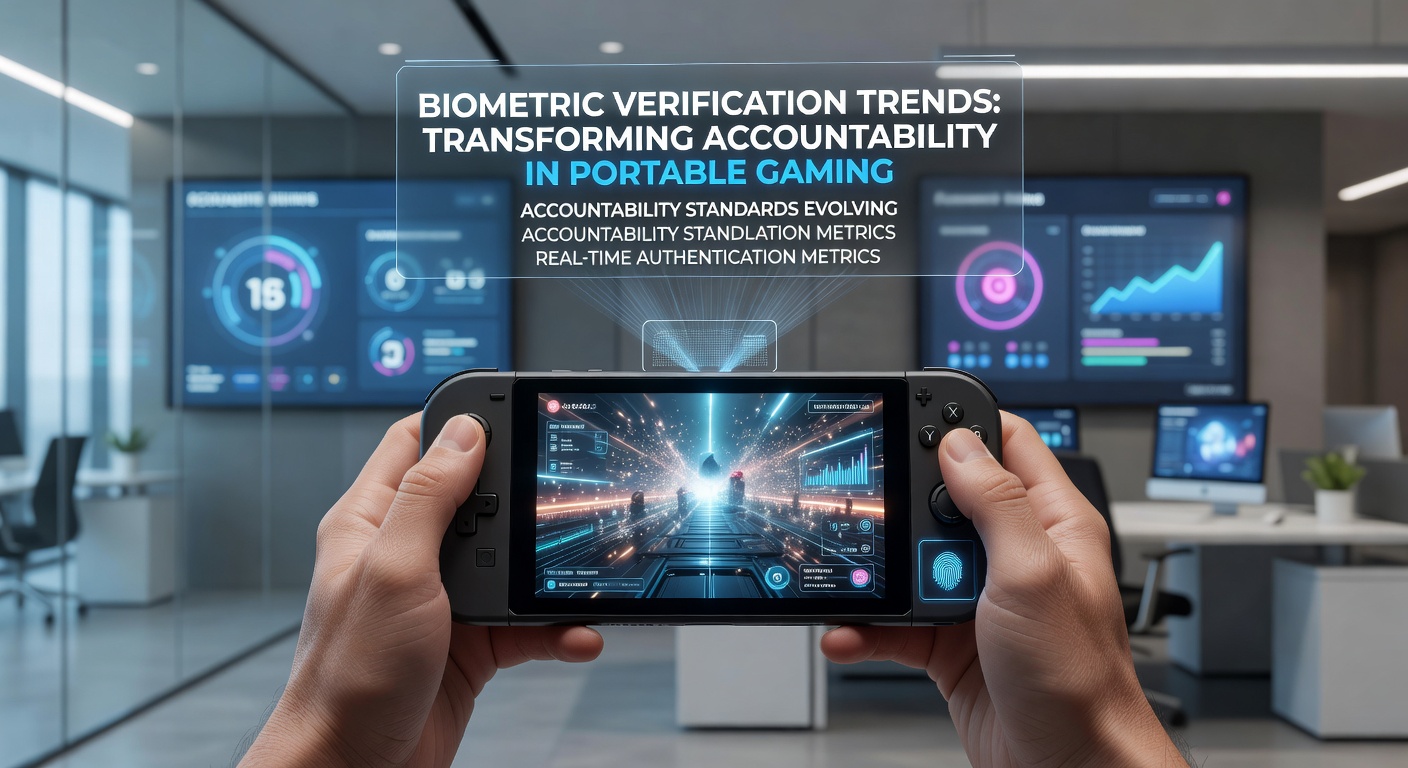
Account sharing and underage access have declined in titles that mandate biometric checks at purchase checkpoints, according to aggregated platform data shared by several publishers, and transaction disputes dropped noticeably once facial verification became required for high-value microtransactions. Cheating detection systems now cross-reference biometric logs with gameplay statistics to flag suspicious account switches mid-session, which gives moderators stronger evidence when reviewing reports. One study from an academic gaming research group found that platforms using multi-modal biometrics experienced 30 percent fewer bot-driven economy disruptions in free-to-play titles during the first quarter of 2026. Developers have also introduced temporary verification modes for guest play that expire after short periods, preserving accountability while still allowing friends to try new games on shared hardware.
Challenges in Implementation and User Experience
Lighting variations and device angle changes can still affect facial recognition accuracy during outdoor sessions, leading some companies to combine camera data with device orientation sensors for better results, and users occasionally report needing to re-enroll templates after software updates that alter sensor calibration. Privacy concerns remain a focus for advocacy groups, who point out that biometric templates, once compromised, cannot be reset like passwords, so manufacturers have responded by adopting encryption standards that isolate templates from other device data. Battery drain from continuous monitoring has prompted optimizations such as event-triggered activation rather than constant scanning, and these adjustments appear in firmware releases rolled out throughout spring 2026.
Future Directions for Portable Gaming Interfaces
Integration with wearable accessories is expanding, with some fitness bands and smartwatches now passing biometric signals to connected handhelds for seamless session handoff, and early tests indicate this approach could support longer verification windows without repeated prompts. Machine learning models continue to improve at distinguishing between genuine users and presentation attacks such as photos or masks, with accuracy rates reported above 98 percent in controlled evaluations from multiple testing labs. Industry associations have begun sharing best-practice frameworks that smaller developers can adopt, which helps standardize accountability features across both major studio releases and independent titles distributed through portable marketplaces.
Conclusion
Biometric verification continues to embed itself into portable gaming hardware and software ecosystems, supported by evolving technical capabilities and regulatory expectations that prioritize identity assurance during play. Data collected through May 2026 illustrates measurable reductions in certain categories of account misuse and transaction fraud, while ongoing refinements address accuracy and privacy considerations that affect everyday users. As device manufacturers and platform operators refine these systems further, portable gaming interfaces are likely to maintain their trajectory toward stronger built-in accountability measures that operate quietly in the background of player experiences.