Adaptive Limit Technologies Influence Player Patterns in Live Sports and Casino Settings
Riley Peters · Aug 20, 2026

Adaptive Limit Technologies Influence Player Patterns in Live Sports and Casino Settings
Adaptive limit systems adjust deposit, wager, and session thresholds in real time based on individual activity data across live sports and casino platforms, and these tools have gained traction throughout 2026. Operators integrate machine learning models that monitor betting velocity, win-loss ratios, and time spent on platforms, then modify limits without requiring manual user input each time. Data collected during August 2026 shows increased adoption rates among major operators in North America and Europe, where live event wagering volumes continued to expand despite broader market fluctuations.
Core Mechanics Behind Adaptive Systems
These systems rely on algorithms that process behavioral signals such as rapid successive bets during live matches or extended casino sessions exceeding typical durations for similar users, and they respond by tightening or loosening constraints accordingly. Researchers at academic institutions tracking gambling technology have documented how platforms combine transaction histories with device-level signals to create personalized profiles that evolve daily. In practice this means a player who places multiple high-stakes prop bets on a soccer match might see temporary deposit caps applied automatically, while another user with steady low-volume activity receives expanded options until patterns shift.
Effects on Live Sports Wagering Habits
Live sports environments present unique pressures because odds change continuously and users often chase momentum, yet adaptive limits interrupt these cycles by pausing or scaling back access when velocity spikes. Figures from industry reports released in mid-2026 indicate that platforms employing these tools recorded measurable drops in consecutive in-play bets among frequent users, particularly in basketball and soccer markets. Observers note that players tend to spread their activity across fewer events per session once limits adapt, leading to more deliberate selection rather than reactive wagering during fast-moving games.
Shifts Observed in Casino Platform Usage
Casino operators apply similar frameworks to table games and slots, where session timers and loss thresholds adjust based on recent play intensity, and this approach has altered how users structure their time on mobile and desktop interfaces. Data aggregated across multiple jurisdictions shows that players encountering dynamic limits during August 2026 reduced average session lengths by noticeable margins compared with static-limit environments, while overall platform retention held steady because users received prompt notifications explaining the adjustments. Those who study digital gaming behaviors point out that the systems often encourage breaks at natural stopping points, such as after a live dealer round concludes, rather than forcing abrupt halts mid-action.
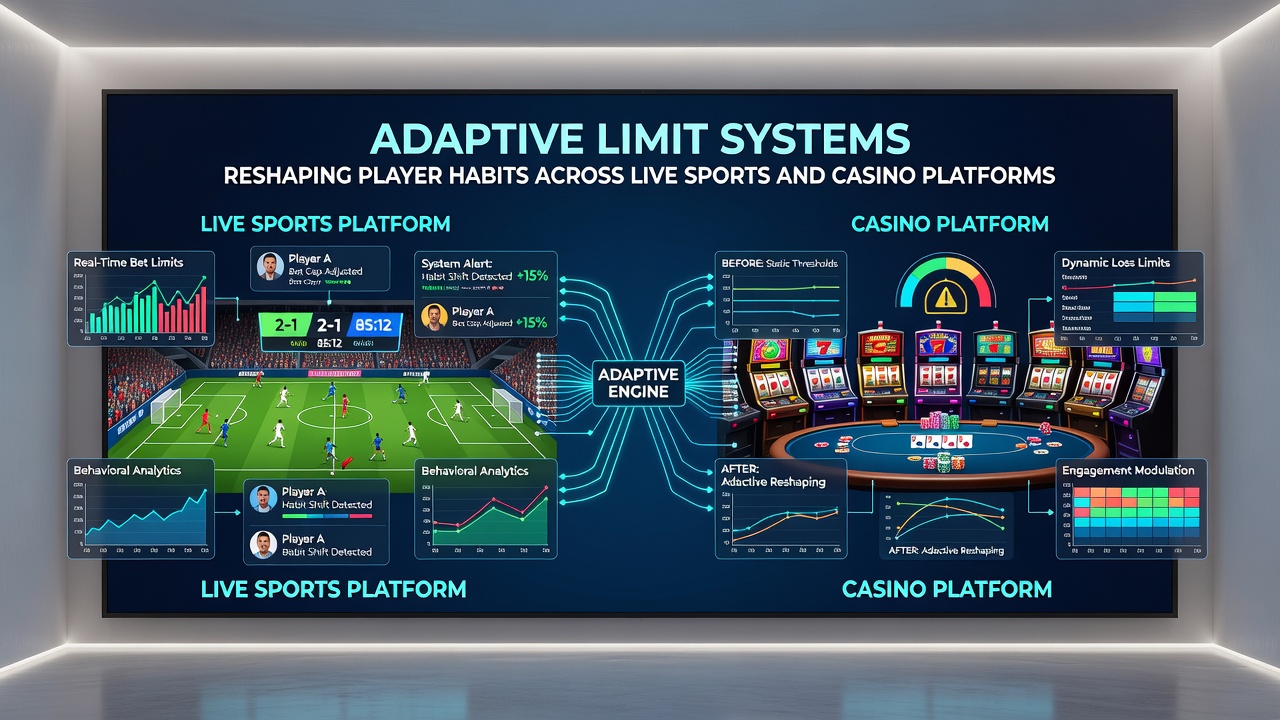
One documented pattern involves users who previously rotated rapidly between game types now consolidating activity into single categories once limits adapt, because the system flags cross-game acceleration as a risk signal. This consolidation effect appears more pronounced among mobile users who switch devices mid-session, since the algorithms synchronize profiles across platforms to maintain consistency.
Regulatory and Industry Context in 2026
Regulatory bodies in several regions have begun reviewing how adaptive systems align with responsible gambling standards, and the American Gaming Association highlighted their role in operator compliance discussions during 2026 forums. European trade groups such as the European Gaming and Betting Association have similarly referenced these technologies in reports on player protection tools, noting that real-time adaptation can complement existing self-exclusion registers. Platforms operating in multiple markets must calibrate their models to meet varying jurisdictional requirements, which sometimes leads to region-specific limit sensitivities even for the same user account.
Integration Challenges and Platform Responses
Implementing these systems requires careful calibration to avoid over-correction that might frustrate legitimate high-volume users, and operators address this by running extensive testing periods before full rollout. Technical teams combine anonymized cohort data with individual histories to set baseline thresholds, then refine them through ongoing feedback loops. In August 2026 several large operators announced updates to their models that incorporated weather-related event data for outdoor sports, since external factors sometimes correlate with unusual betting surges.
Players who encounter these adjustments receive clear explanations through in-app messages that outline the specific triggers, which helps maintain transparency without revealing proprietary algorithm details. Industry analysts tracking multi-platform behavior report that users who receive such notifications often adjust their own habits proactively, spreading wagers more evenly rather than testing the boundaries of the system.
Conclusion
Adaptive limit systems continue to expand their presence in live sports and casino environments as operators seek methods to manage risk while supporting sustained participation, and August 2026 data illustrates measurable changes in session patterns and bet distribution. These technologies operate through continuous data analysis that personalizes constraints without constant manual oversight, producing observable effects on how users engage across both verticals. As more platforms refine their approaches, the interplay between automated adjustments and player decision-making remains a central focus for industry monitoring and regulatory evaluation.